
When the sun sets and the aroma of coconut and brown sugar fills the kitchen, it’s hard not to feel an overwhelming sense of comfort. That’s exactly what I experienced the first time I made Biko, a traditional Filipino sticky rice cake, which has quickly become my go-to dessert for any occasion. Imagine a chewy texture that melds beautifully with a rich, creamy layer of coconut milk, all drizzled with a sticky caramelized topping that beckons you for just one more bite.
Whether you’re at a family gathering, celebrating the holidays, or simply craving a sweet indulgence, Biko delivers joy every time. This gluten-free delight not only satisfies your sweet tooth but also brings a piece of Filipino culture into your home. Let me share with you how to create this beloved dessert that’s as enchanting to make as it is to enjoy!

Why is Biko (Filipino Sticky Rice Cake) special?
Comforting Tradition: Biko is a staple in Filipino households, making it a beloved favorite for celebrations and everyday life.
Simple Preparation: With minimal ingredients and straightforward steps, you don’t need to be a pro to whip this up.
Richly Flavorful: The fusion of coconut milk and brown sugar forms a deeply satisfying, sweet flavor profile that lingers on the palate.
Versatile Serving Options: Enjoy it warm, cold, or alongside fresh fruits and coffee—perfect for any time of day!
Crowd-Pleaser: Whether served at parties or shared with family, Biko is sure to delight everyone’s taste buds.
Biko (Filipino Sticky Rice Cake) Ingredients
For the Cake
- Glutinous Rice – Essential for that unique sticky texture; no other rice gives the same result.
- Coconut Milk – Opt for full-fat for a rich and creamy flavor that elevates the dish.
- Brown Sugar – Adds sweetness and depth; palm sugar can be used for an authentic twist.
- Salt – A pinch balances the sweetness and enhances the overall flavor.
For the Topping
- Coconut Milk – Use the remaining milk for the topping to tie all flavors together beautifully.
- Brown Sugar – A second dose for that irresistible caramelized sweetness that crowns the dish.
Let the delightful creation of Biko (Filipino Sticky Rice Cake) transform your kitchen into a festive haven!
How to Make Biko (Filipino Sticky Rice Cake)
-
Rinse the Rice: Thoroughly rinse 2 cups of glutinous rice until the water runs clear; then soak in water for at least 4 hours or overnight for best results. This ensures even cooking and that chewy texture you crave.
-
Cook the Rice: Drain the soaked rice and steam it in a bamboo or perforated steamer for about 30-35 minutes, until tender and slightly sticky. The aroma of the steaming rice will surely excite your senses!
-
Prepare Coconut Mixture: In a saucepan, combine 1 can (13.5 oz) of full-fat coconut milk, 1 cup of brown sugar, and a pinch of salt. Heat over medium until the sugar dissolves completely, creating a luscious blend.
-
Mix: Gently combine the cooked rice with the coconut mixture in a large bowl. Stir until every grain is well-coated, and you can see the creamy goodness enveloping the rice.
-
Transfer & Shape: Pour the sticky rice mixture into a greased 9×13-inch pan, spreading it out evenly. Use a spatula to press it down firmly, ensuring an even density throughout.
-
Prepare Topping: In a small bowl, mix the remaining coconut milk with 1/2 cup of brown sugar. Heat this mixture briefly until it comes to a gentle boil; pour it evenly over the rice mixture in the pan.
-
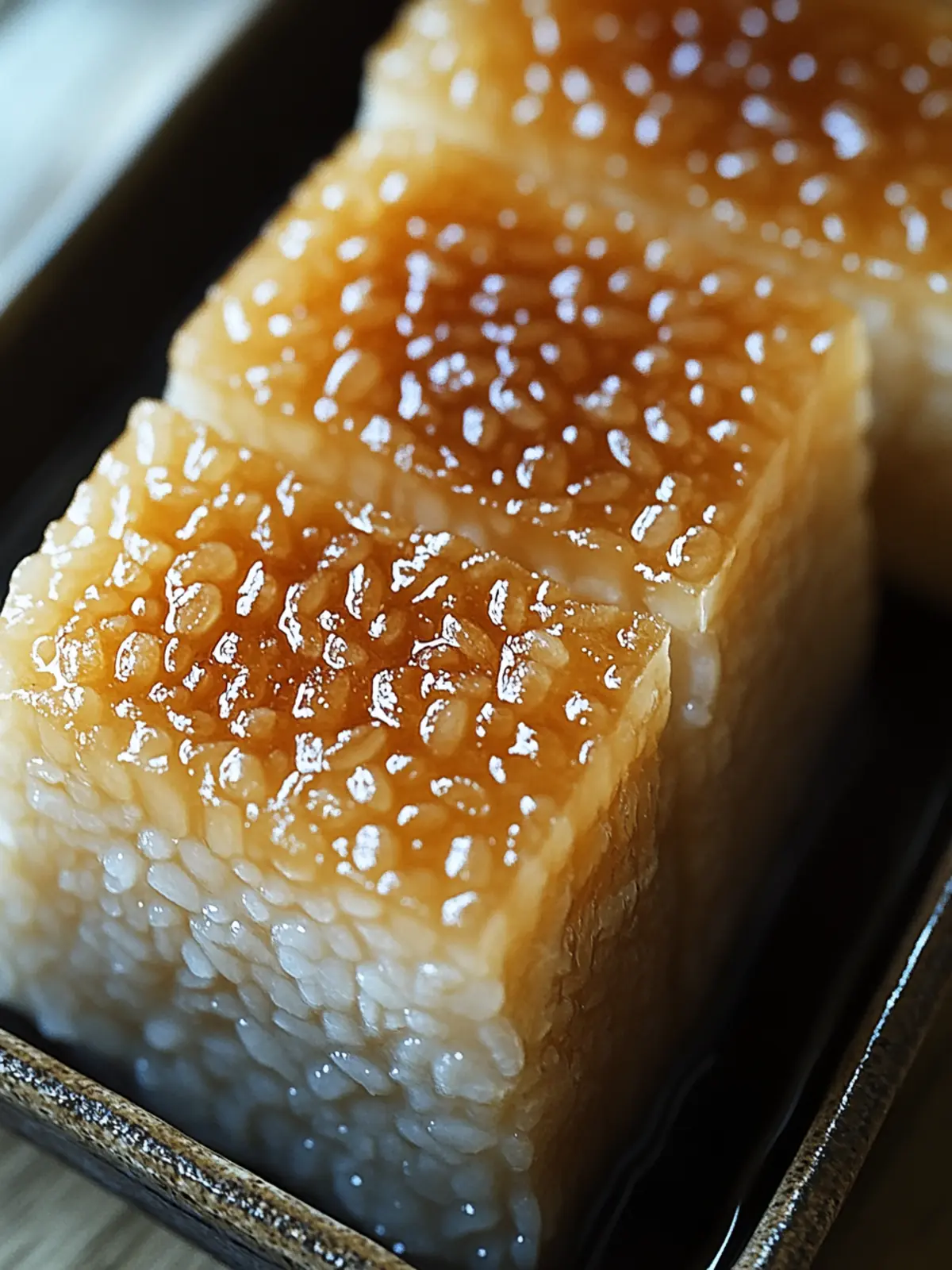
Bake/Steam: Cook in a preheated oven at 350°F for 20-30 minutes or steam for the same time until the topping is set and slightly caramelized. You should see a beautiful glossy finish!
-
Cool & Serve: Allow the Biko to cool completely before cutting it into squares. It can be served warm or at room temperature, perfect for sharing with loved ones.
Optional: Top with toasted coconut flakes or fresh fruit for an extra delightful experience.
Exact quantities are listed in the recipe card below.
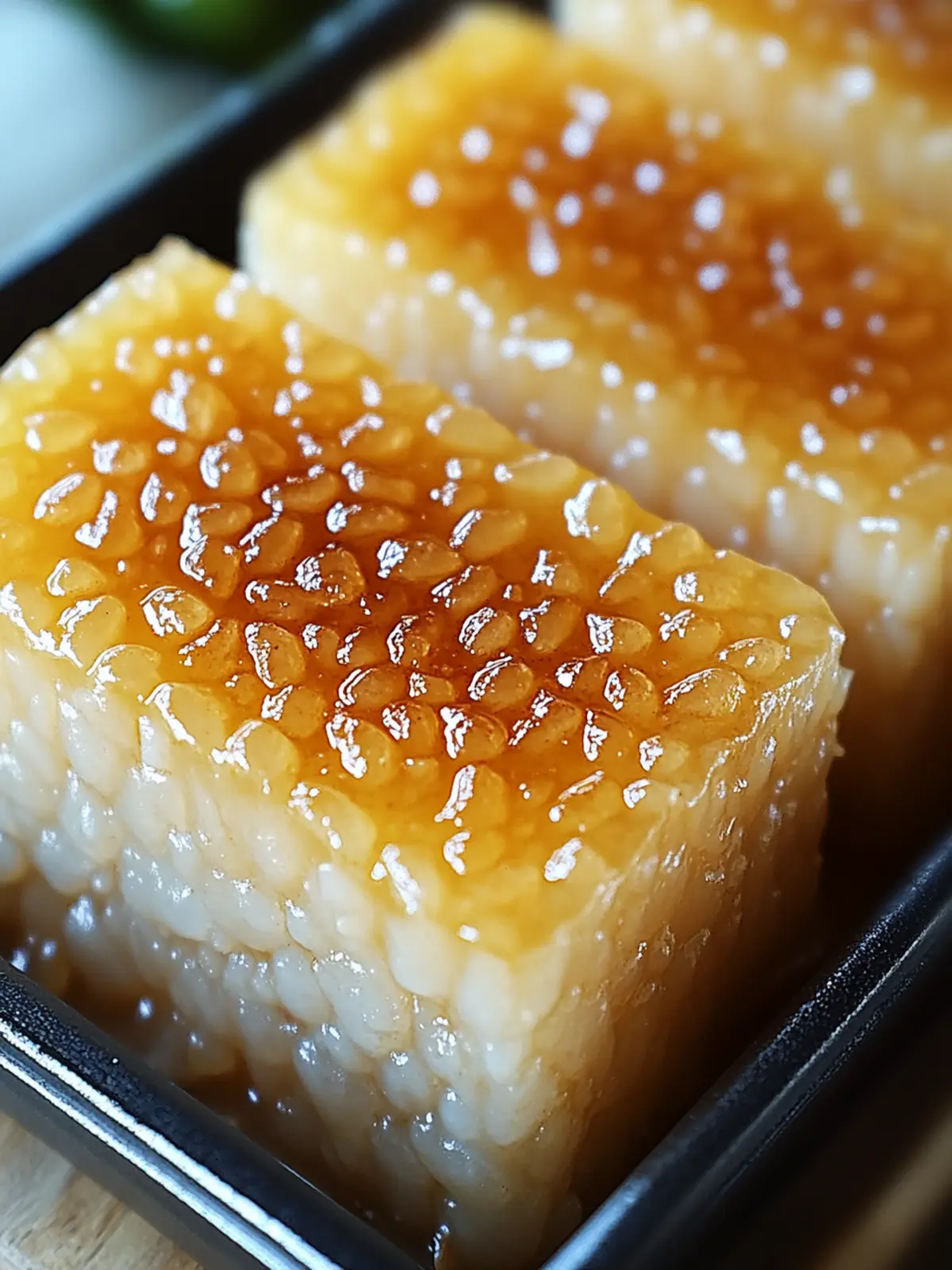
What to Serve with Biko (Filipino Sticky Rice Cake)?
When you bring this delightful sticky rice cake to the table, you’ll want to create a meal that complements its sweet, creamy charm.
-
Fresh Tropical Fruit: Serve alongside ripe mango, pineapple, or banana for a refreshing contrast to the rich flavors of Biko.
-
Silky Coconut Cream: A drizzle of extra coconut cream on top enhances the dish’s already creamy profile and adds an extra touch of indulgence.
-
Coffee or Tea: A warm cup of coffee or a fragrant tea creates a perfect balance, allowing the sweetness of Biko to shine through.
-
Toasted Sesame Seeds: Sprinkling sesame seeds on top adds a nutty flavor and a delightful crunch that contrasts with the sticky texture.
-
Chocolate Sauce Drizzle: For a modern twist, a drizzle of warm chocolate sauce can elevate the dessert to new heights of indulgence.
-
Sweetened Condensed Milk: A side of sweetened condensed milk for dipping makes for a delightful surprise that will take the experience to another level.
-
Ice Cream: A scoop of vanilla or coconut ice cream beside a warm square of Biko will turn this dessert into an unforgettable treat.
-
Coconut Flakes: Top with toasted coconut flakes for an added crunchy texture that harmonizes beautifully with the soft rice cake.
-
Coconut Water: Refreshing coconut water provides a mild, sweet drink that beautifully complements the cake’s rich flavors and is wonderfully hydrating.
Helpful Tricks for Biko (Filipino Sticky Rice Cake)
-
Soak Time Matters: Ensure you soak the glutinous rice for at least 4 hours or overnight. This step is crucial for achieving that perfect chewy texture in your Biko.
-
Steam for Success: Use a bamboo steamer for cooking; it allows the rice to steam evenly while infusing a subtle aroma, enhancing the overall flavor profile.
-
Mixing Technique: Gently combine the rice and coconut mixture to avoid breaking the rice grains. A light hand ensures every bite is wonderfully chewy and creamy!
-
Topping Temperature: Pour the hot coconut mixture carefully over the rice to prevent burns. Let it cool slightly before serving to let the topping set perfectly.
-
Cutting Tips: For clean cuts, use a knife dipped in warm water when slicing the cooled Biko into squares. This keeps the sticky texture intact for beautiful presentation.
How to Store and Freeze Biko (Filipino Sticky Rice Cake)
Fridge: Store Biko in an airtight container for up to one week; the flavors deepen after a day, making it even more delicious!
Freezer: For longer storage, wrap portions of Biko tightly in plastic wrap and place them in a freezer-safe container. It can be frozen for up to three months.
Reheating: To enjoy Biko again, thaw in the fridge overnight and gently steam or microwave until warmed through. This helps retain its chewy texture.
Serving Temperature: Biko can be served warm, at room temperature, or cold—whichever way you prefer!
Biko (Filipino Sticky Rice Cake) Variations
Feel free to experiment and personalize your Biko to elevate this delightful dessert experience!
-
Vanilla Infusion: Add 1 teaspoon of vanilla extract to the coconut mixture for a fragrant, sweet twist. This simple addition gives an enticing aroma and deepens the flavor profile.
-
Toasted Topping: Sprinkle toasted coconut flakes or sesame seeds on top of the caramel layer before baking for a delightful crunch. This adds texture that beautifully contrasts the chewy rice beneath.
-
Fruity Goodness: Serve the Biko with a side of fresh mango slices or a drizzle of fruit puree, like passionfruit or strawberry. The tartness pairs perfectly with Biko’s sweetness, refreshing every bite.
-
Nutty Crunch: Fold in crushed roasted nuts, such as peanuts or cashews, into the rice mixture before baking. This adds a delightful crunch and enhances the nutty flavor of the coconut.
-
Cacao Bliss: Stir in 2 tablespoons of cocoa powder into the coconut mixture for a chocolatey twist that brings a rich depth to the dessert. A sprinkle of chocolate shavings on top can make it even more decadent!
-
Zesty Touch: Incorporate a tablespoon of grated lemon or lime zest into the coconut mixture for a zesty note that cuts through the sweetness beautifully. It brightens the flavor and offers a refreshing balance.
-
Spicy Kick: If you enjoy a little heat, add a pinch of cayenne pepper or chili flakes to the coconut mixture. This tantalizing twist adds a surprising kick that complements the sweetness spectacularly.
-
Creamy Drizzle: For an extra indulgence, drizzle additional coconut cream or a coconut-flavored syrup over the finished Biko just before serving. It enhances the overall creaminess and makes for a glorious presentation.
Make Ahead Options
Biko (Filipino Sticky Rice Cake) is a fantastic choice for meal prep, allowing you to savor its flavors without cramming in cooking on busy days! You can prepare the rice mixture and the topping up to 24 hours in advance; simply store them separately in airtight containers in the refrigerator. To maintain that chewy texture and creamy goodness, ensure the rice is fully cooled before refrigerating. When you’re ready to enjoy your Biko, just combine the two mixtures in a greased pan and bake as directed. This way, you can indulge in a delicious homemade treat with minimal effort, perfect for impressing your family or friends!
Biko (Filipino Sticky Rice Cake) Recipe FAQs
How do I choose the best glutinous rice for Biko?
Absolutely! When selecting glutinous rice, look for grains that are plump and shiny. The rice should have a sticky texture, which is essential for Biko. Make sure to avoid any rice with dark spots or a musty smell, as they can affect the taste and quality of your dessert. I often purchase my rice from local Asian markets where they offer a variety of options.
How should I store leftover Biko?
Very good question! You can store Biko in an airtight container in the refrigerator for up to one week. After a day, the flavors actually deepen, which makes it even more delightful! Just be sure to let it cool to room temperature before sealing to prevent moisture build-up.
Can I freeze Biko, and if so, how?
Certainly! To freeze Biko, wrap individual portions tightly in plastic wrap to prevent freezer burn, and place them in a freezer-safe container. It can be kept in the freezer for up to three months. When you’re ready to enjoy it again, simply thaw it in the refrigerator overnight and steam or microwave until warmed through to retain that lovely chewy texture.
What should I do if my Biko doesn’t cook through?
If your Biko is undercooked, don’t worry! It may just need more time. For steamed Biko, cover it and steam for an additional 5-10 minutes, checking for tenderness. If you baked it and find it still isn’t set, return it to the oven at 350°F for another 10-15 minutes. Just make sure to check periodically, so it doesn’t overcook or dry out.
Is Biko safe for my pets?
It’s great that you’re thinking of your furry friends! However, Biko isn’t appropriate for pets due to its high sugar content and coconut, which can upset their stomachs. Always keep treats like Biko away from pets, as they may not digest these ingredients well.
What if I have a nut allergy, can I still enjoy Biko?
Absolutely, you’re in luck! Biko is naturally nut-free, so you don’t have to worry about nut allergies with this dessert. Just ensure that the coconut products you choose are processed in a nut-free facility to avoid cross-contamination. This way, you can enjoy this delicious rice cake worry-free!
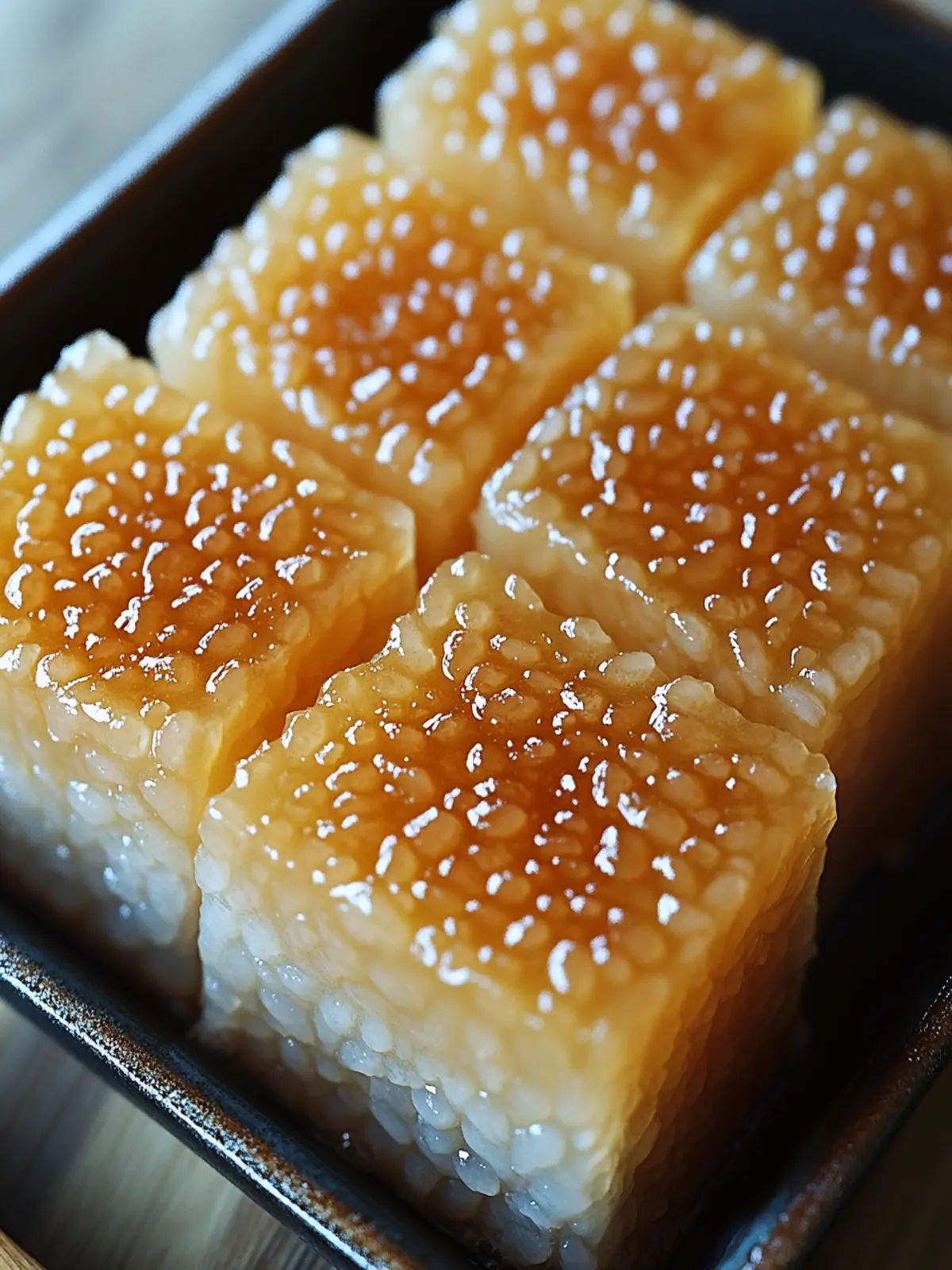
Delicious Biko (Filipino Sticky Rice Cake) to Sweeten Your Day
Ingredients
Equipment
Method
- Rinse the Rice: Thoroughly rinse glutinous rice until water runs clear; soak for at least 4 hours or overnight.
- Cook the Rice: Drain soaked rice and steam it for about 30-35 minutes until tender.
- Prepare Coconut Mixture: In a saucepan, combine coconut milk, brown sugar, and a pinch of salt; heat until dissolved.
- Mix: Combine the cooked rice with the coconut mixture until well-coated.
- Transfer & Shape: Pour the mixture into a greased pan and press down firmly.
- Prepare Topping: Mix remaining coconut milk with brown sugar; heat until boiling and pour over rice mixture.
- Bake/Steam: Cook in a preheated oven at 350°F for 20-30 minutes until topping is set and glossy.
- Cool & Serve: Allow to cool completely before cutting into squares; can be served warm or at room temperature.